
Investors spend a great deal of time thinking about return. They spend much less time thinking about the conditions under which they may be forced to sell, refinance, borrow or wait. That is where liquidity becomes strategic.
In 2026, the liquidity question sits at the intersection of high public debt, large cross-border credit markets, persistent refinancing needs and a global financial system that can still tighten quickly when risk sentiment changes. Liquidity is therefore not just “cash on the side.” It is the ability to keep making rational decisions when other investors are losing that ability.
A portfolio with excellent assets can still become fragile if its debt maturities cluster together, its income depends on one source, its currency exposure is mismatched or too much capital is locked in positions that cannot be sold without a discount. Conversely, an investor with moderate leverage, diversified cash flow and a deliberate liquidity reserve may have fewer headline assets but far more control.
1. Debt changes the value of liquidity
The global debt backdrop makes liquidity more important because debt introduces deadlines. Equity can often wait. Debt cannot. Interest payments arrive on schedule, maturities arrive on schedule and refinancing conditions are determined by the market available at that moment — not the market an investor hoped would exist.
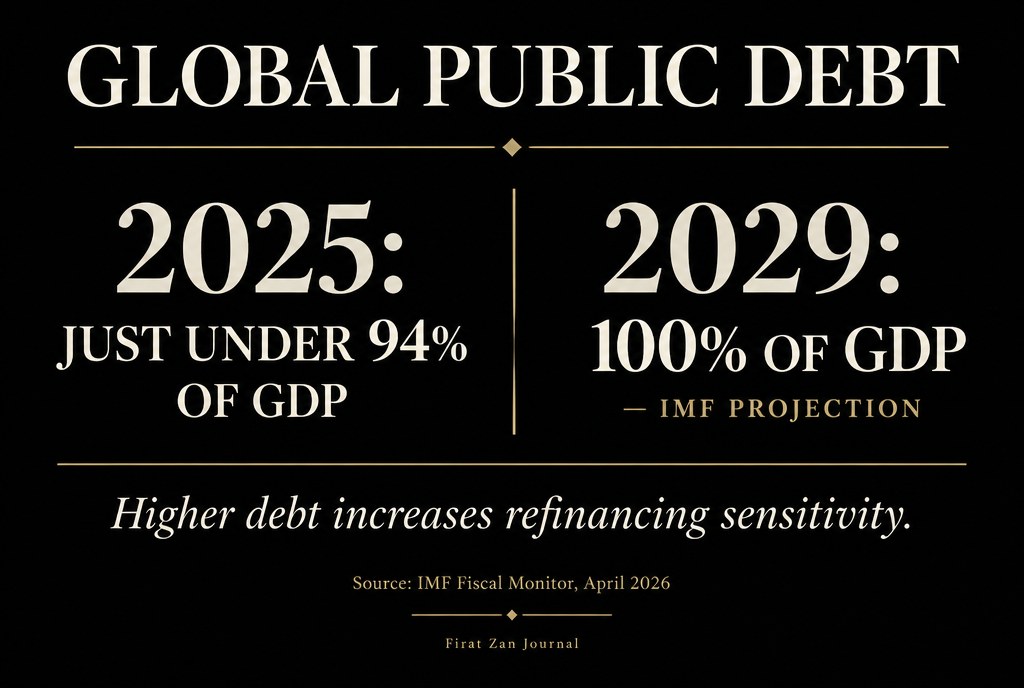
The IMF’s April 2026 Fiscal Monitor estimated that global public debt rose to just under 94% of GDP in 2025 and, on current trajectories, is set to reach 100% by 2029. The report also highlighted rising interest burdens, structural changes in sovereign debt markets and increased sensitivity to repricing. That is a public-sector statistic, but the lesson translates directly to private portfolios: high debt reduces room for error.
For an investor, leverage should never be assessed only by the interest rate quoted today. The more useful questions are what happens at the next reset, what happens when an asset takes longer to sell and what happens if income weakens before the debt matures. Debt is not automatically dangerous; unplanned refinancing dependence is.
2. Global credit is still expanding — which does not mean liquidity is guaranteed
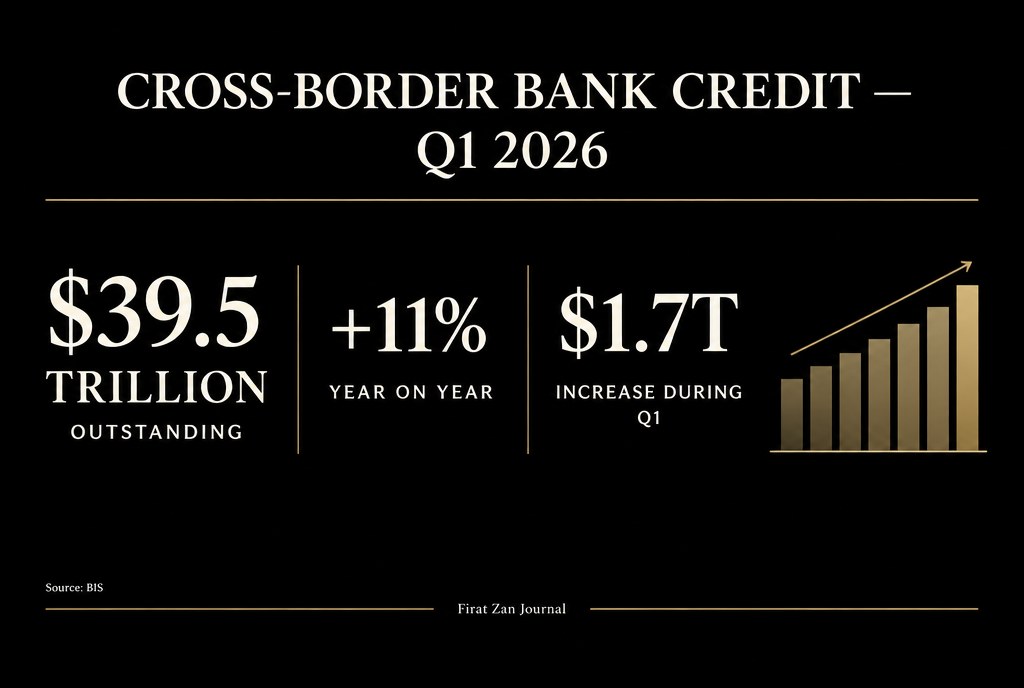
The Bank for International Settlements reported strong growth in cross-border bank credit in the first quarter of 2026. Outstanding cross-border bank credit reached $39.5 trillion at the end of March, after rising by $1.7 trillion during the quarter and 11% from a year earlier.
That matters because liquidity has two very different meanings. The first is market liquidity: how easily an asset can be traded. The second is funding liquidity: how easily a borrower can obtain or roll financing. Markets can appear liquid while both are available, then become much less forgiving when volatility rises.
The IMF’s April 2026 Global Financial Stability Report described elevated risks from tighter financial conditions, sovereign rollover needs and leveraged nonbank intermediaries. The important point for a private investor is not to predict a crisis. It is to recognise that credit conditions are cyclical. Financing that looks abundant in one quarter should not be treated as a permanent feature of the investment.
3. Foreign-currency debt adds another layer of liquidity risk
Currency mismatch can turn an ordinary refinancing problem into a much larger one. When debt is denominated in a currency different from the income generated by the asset, the effective debt burden can change even if the principal does not.
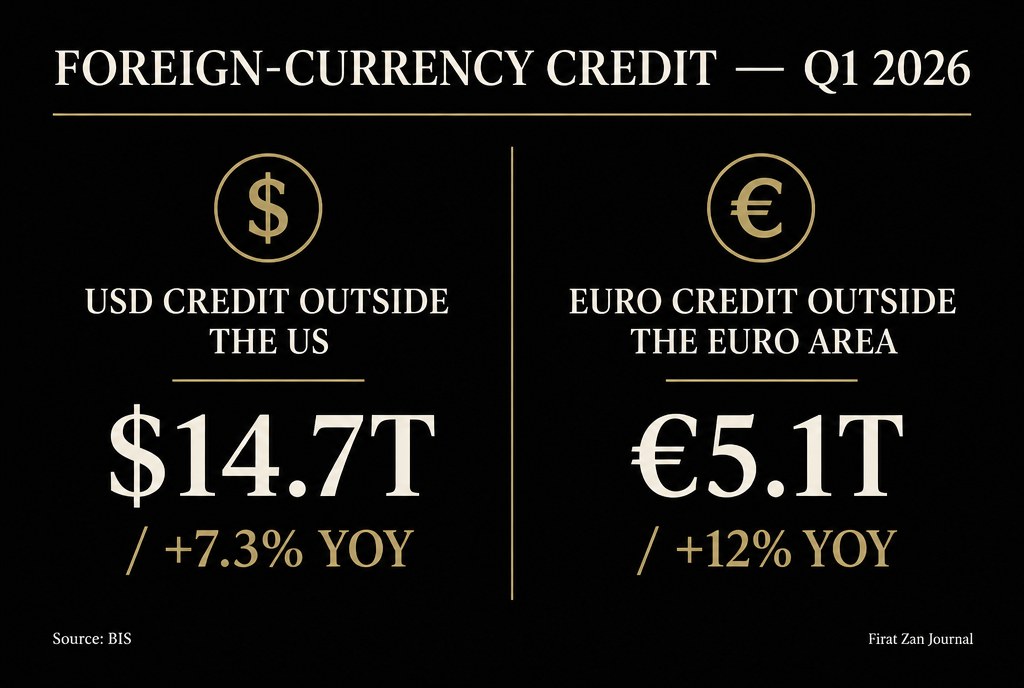
BIS global liquidity indicators show that US dollar-denominated foreign-currency credit to borrowers outside the United States reached $14.7 trillion at the end of the first quarter of 2026, growing 7.3% year over year. Euro-denominated foreign-currency credit outside the euro area reached €5.1 trillion, with annual growth of 12%.
For a cross-border investor, this creates a simple discipline: separate the currency of the asset, the currency of the income, the currency of the debt and the currency of the eventual exit. If those differ, the financing structure deserves its own stress test.
A property producing local-currency rent but financed in dollars may be exposed to a different risk than the same property financed locally. A business with dollar revenue can sometimes absorb dollar debt more naturally. Currency matching does not eliminate risk, but it removes one source of forced decision-making.
4. Cash reserves are not the same thing as being “out of the market”
Cash is frequently criticised because it may earn less than a risk asset over long periods. That comparison is incomplete because it ignores function. The job of a liquidity reserve is not necessarily to maximise return. Its job may be to prevent the forced sale of something else.
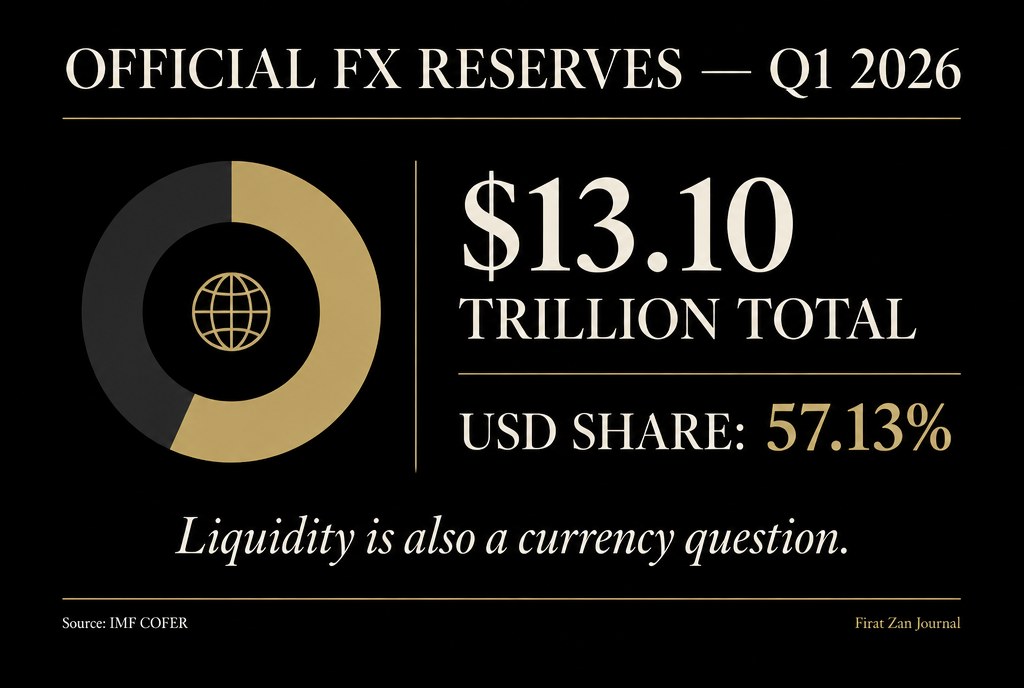
The IMF reported $13.10 trillion in total official foreign-exchange reserves in the first quarter of 2026, with the US dollar representing 57.13% of allocated reserves. Central-bank reserves and a private portfolio are obviously different things, but the strategic logic is similar: liquid reserves exist because flexibility has value.
For an individual investor or operating business, reserves can serve several purposes at once: cover living or operating costs, meet debt service, support an unexpected capital call, fund maintenance or taxes, and allow investment when markets become dislocated.
This is why I prefer to think in terms of a liquidity budget rather than a cash percentage. The correct reserve depends on the volatility of income, debt obligations, asset liquidity and the number of commitments that may require cash at the same time.
5. Build a liquidity ladder instead of treating every asset as interchangeable
A useful portfolio separates assets by the time realistically required to turn them into usable cash. The key word is realistically. A property may theoretically be worth a certain amount, but if selling it at that price takes six months, it is not a six-day liquidity source.
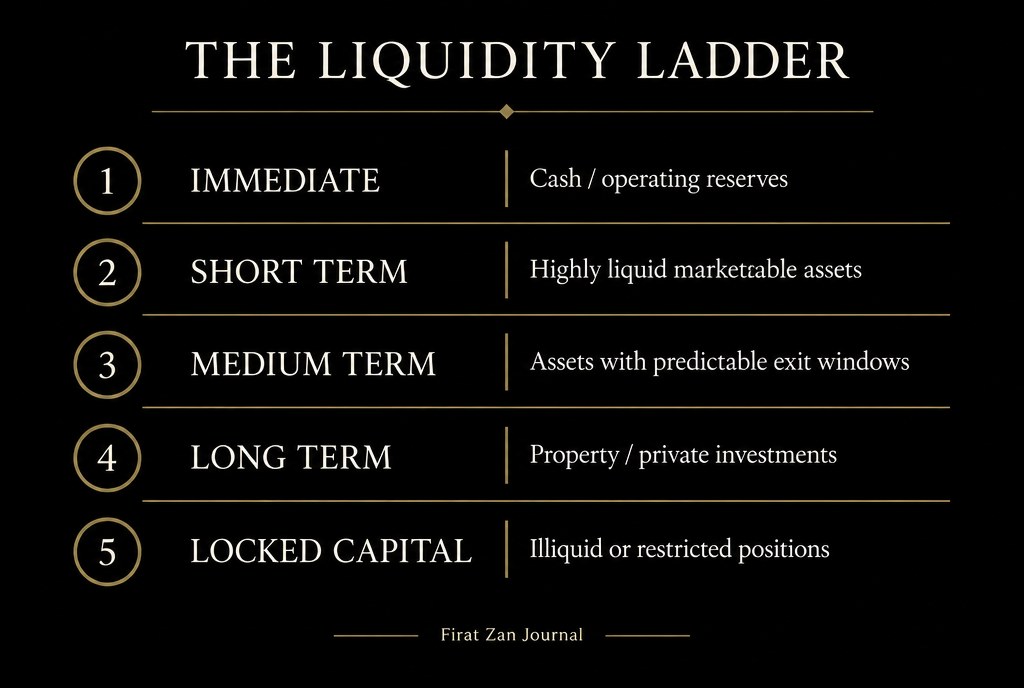
Once assets are placed on that ladder, concentration becomes easier to see. A portfolio can look diversified by sector while almost all of its capital sits in the bottom two levels. That may be acceptable for an investor with strong recurring income and no major debt. It can be dangerous for someone with large short-term obligations.
6. Refinancing risk should be measured before returns
When an investment uses leverage, I want to understand the debt structure before becoming impressed by the projected return. High returns generated by aggressive leverage can disappear quickly when funding costs change.
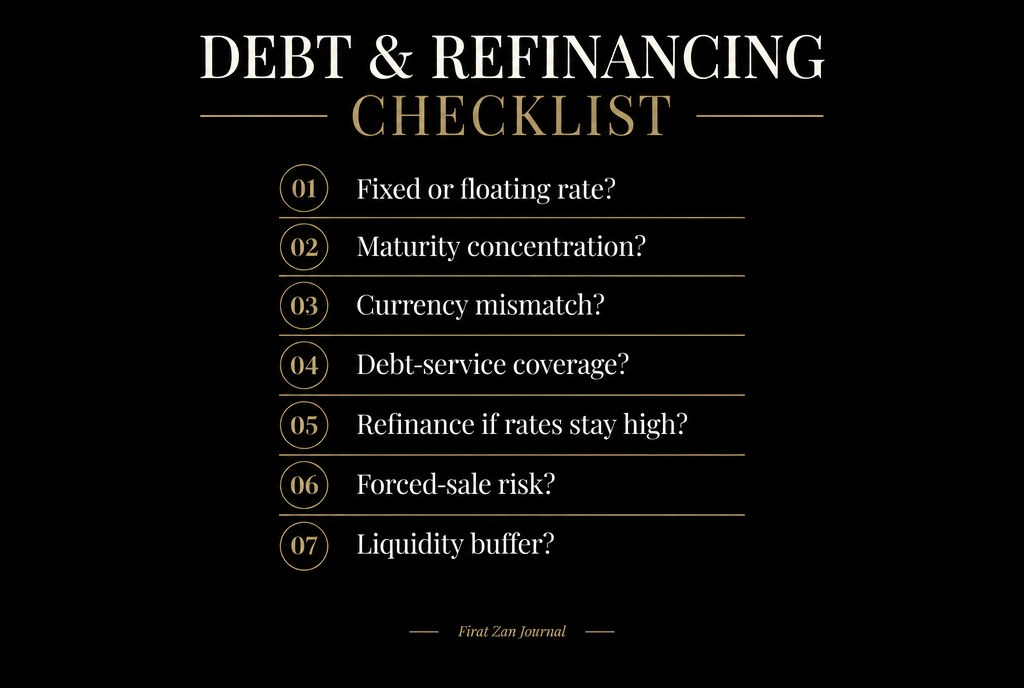
The first question is whether the rate is fixed or floating. The second is maturity concentration. If several loans mature in the same period, an investor can face a refinancing wall even if each loan looked manageable individually.
Debt-service coverage matters as well. The relevant test is not whether current income can service current debt; it is whether stressed income can service debt after a realistic increase in rates, vacancy, maintenance or operating costs. The stronger the cash-flow buffer, the less likely the investor is to be forced into a bad sale.
Finally, I want to know what the backup plan is if refinancing is unavailable. Can the debt be repaid from liquid assets? Can a non-core asset be sold? Can spending be reduced? If every answer depends on a cooperative lender, the investment is more fragile than the headline numbers suggest.
7. Optionality is an asset even though it does not appear on a balance sheet
Optionality means having the room to choose. It is created by liquidity, low enough leverage, staggered obligations, diversified income and assets that can be sold without destroying the rest of the portfolio.
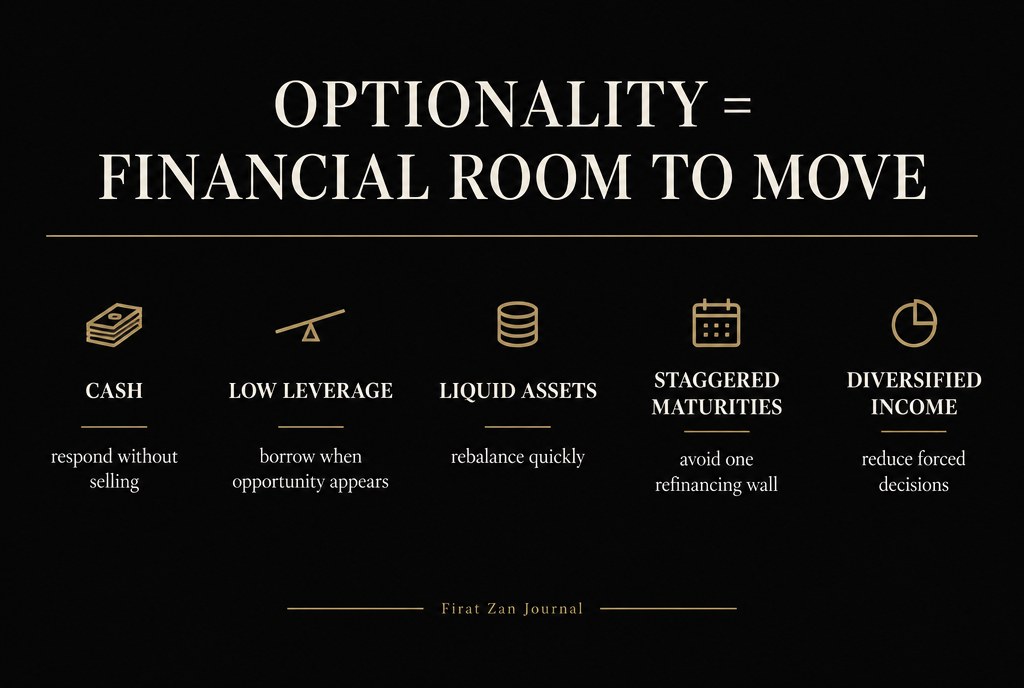
Consider two investors with the same net worth. The first owns almost everything in leveraged illiquid assets and has little cash. The second owns fewer leveraged assets, maintains liquid reserves and has several independent sources of income. Their net worth may look identical, but their ability to respond to an opportunity or shock is completely different.
This is one reason cash flow and liquidity deserve to be analysed separately from net worth. Wealth on paper does not automatically create financial room to move. Optionality depends on how quickly resources can be mobilised without taking a large loss.
8. The cost of liquidity has to be compared with the cost of being forced
Holding liquidity has an opportunity cost. Cash may underperform a rising market. A low-leverage structure may produce a lower return on equity during strong periods. Staggering maturities may be less convenient than taking the cheapest financing available today.
But the correct comparison is not “liquidity versus maximum return.” It is “the cost of liquidity versus the cost of a forced decision.” Forced decisions are expensive because they happen on someone else’s timetable. They can mean selling a good asset at a discount, refinancing at poor terms, accepting an unfavourable partner or missing a better opportunity because capital is trapped elsewhere.
9. Liquidity should be managed at portfolio level
One of the most common mistakes is evaluating every asset independently. A property may have reasonable leverage. A business may have manageable debt. A private investment may have a sensible capital call schedule. Yet if all three require cash during the same period, the portfolio can still face a liquidity problem.
This is why I prefer a consolidated view. Add together debt maturities, expected taxes, property expenses, business commitments, planned purchases and personal obligations. Then compare them with reliable income and liquid resources. The objective is not to eliminate risk. It is to make sure multiple risks do not mature at the same time.
The same applies to currency. If most obligations are in one currency but most liquid assets are in another, the portfolio may have hidden exposure even when total liquidity looks adequate.
10. A practical 2026 liquidity framework
For me, a useful global liquidity review comes down to five questions. First, how long could the portfolio operate with no new income? Second, what debt must be refinanced during the next twelve to twenty-four months? Third, which assets can be sold quickly without accepting a large discount? Fourth, are the currencies of debt and income aligned? Fifth, how much capital remains available if an attractive opportunity appears tomorrow?
Those questions are deliberately simple because complexity can hide fragility. A portfolio should not require a spreadsheet with fifty assumptions to explain why it can survive six weak months.
The 2026 data show that global finance is still active: cross-border bank credit is growing and foreign-currency credit remains large. At the same time, public debt is high and the IMF continues to flag refinancing, rollover and market-amplification risks. The conclusion is not that investors should retreat. It is that flexibility should be treated as part of the return equation.
11. Final thought
Liquidity is not about predicting the next crisis. It is about refusing to let the next surprise make decisions for you.
Cash reserves create time. Moderate leverage creates borrowing capacity. Staggered maturities reduce deadline risk. Diversified income reduces dependence on any one market. Liquid assets create rebalancing capacity. Together, these features create optionality — the ability to wait, negotiate, buy, refinance or walk away.
That is why I consider liquidity a strategic asset. Its value is often invisible during easy markets, but becomes obvious when conditions change. The best portfolios are not only designed to grow. They are designed to remain capable of acting.